The Precision Revolution We’re Actually Living Through
Three years ago, I spent an entire weekend reading papers about base editing and prime editing, two CRISPR refinements that barely made headlines but represent something extraordinary. While the world debated the ethics of designer babies, researchers were quietly solving the precision problem that has plagued gene editing since its inception. Today, we’re watching the maturation of tools that can change a single DNA letter without the messy double-strand breaks that characterized early CRISPR work.
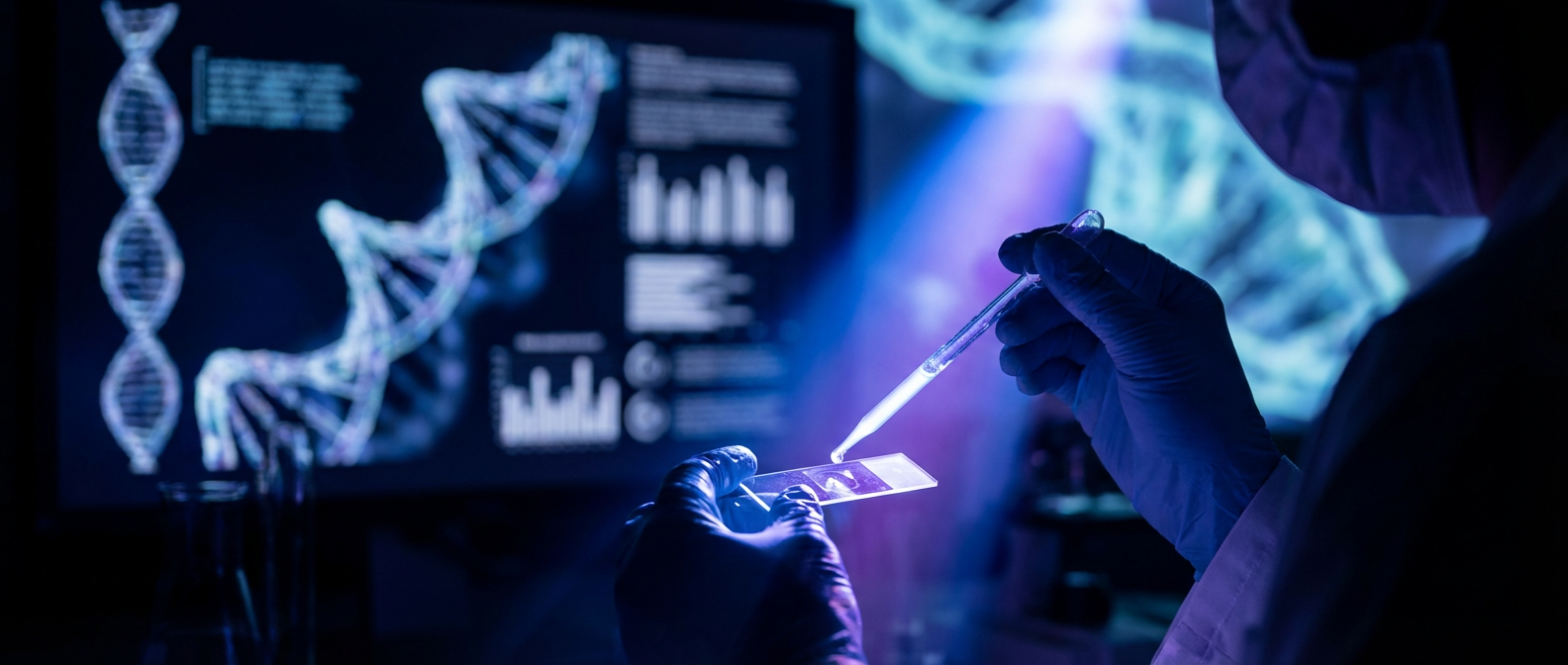
Base editors, developed by David Liu’s team, can convert one DNA base to another with remarkable efficiency. Instead of cutting DNA like molecular scissors, they work more like a pencil eraser and pen combo, chemically converting cytosine to thymine or adenine to guanine. Prime editors take this further, enabling insertions, deletions, and replacements of up to 300 base pairs with minimal off-target effects. These aren’t just small improvements. They address the fundamental challenge that has limited clinical applications.
The numbers tell the story. Traditional CRISPR-Cas9 introduces unintended insertions or deletions in 5-20% of editing events. Prime editing drops this to less than 2%. For treating diseases caused by single-letter DNA changes, which account for roughly 89% of known disease-associated genetic variants, this precision matters enormously. We’re talking about 75,000 different genetic conditions that could theoretically be addressed.

In Vivo Editing: The Ultimate Clinical Frontier
The most exciting CRISPR applications aren’t happening in petri dishes anymore. They’re occurring directly inside patients’ bodies, targeting organs that were previously unreachable. In November 2023, Intellia Therapeutics reported six-month data from their in vivo CRISPR trial for hereditary transthyretin amyloidosis, showing sustained 87% reduction in disease-causing protein levels. Patients received a single infusion of lipid nanoparticles carrying CRISPR components directly to liver cells.
This represents a fundamental shift in how we think about genetic medicine. Rather than extracting cells, editing them in laboratories, and reinfusing them, we’re now editing genes where they sit. The liver has proven particularly amenable to this approach because lipid nanoparticles naturally accumulate there, but researchers are developing delivery systems for muscle, brain, and eye tissues. Each organ has unique challenges related to delivery efficiency, immune responses, and accessibility.
The neurological applications show both the promise and complexity of in vivo editing. Sangamo Therapeutics is developing treatments for Huntington’s disease that would directly edit neurons to reduce production of the toxic huntingtin protein. Early results suggest the approach could halt or slow neurodegeneration, but the challenge lies in ensuring the editing components reach sufficient numbers of brain cells while avoiding immune reactions that could cause inflammation in this sensitive tissue.
Epigenetic Editing: Rewriting Genetic Expression Without Changing DNA
Perhaps the most underappreciated frontier involves using CRISPR not to cut DNA but to modify how genes are expressed. Epigenetic editors employ catalytically dead versions of Cas proteins fused to enzymes that add or remove chemical modifications from DNA and histones. These modifications act like molecular dimmer switches, turning genes up or down without altering the underlying genetic sequence.
This approach offers compelling advantages for complex diseases where multiple genes contribute to pathology. Rather than making permanent DNA changes, epigenetic editing creates reversible modifications that cells can potentially overcome if problems arise. Researchers at the Broad Institute recently demonstrated sustained reversal of diabetic kidney disease in mice using epigenetic editing to reactivate protective gene programs that become silenced during disease progression.
The therapeutic implications extend far beyond single-gene disorders. Age-related diseases, cancer, and psychiatric conditions often involve dysregulated gene expression patterns rather than DNA mutations. Epigenetic editing could theoretically reset these patterns, offering interventions for conditions previously considered untreatable. However, the complexity of epigenetic regulation means we’re still learning which modifications to target and how long therapeutic effects might persist.
Engineering Better Delivery: The Bottleneck Nobody Talks About
The dirty secret of gene editing is that delivery remains the limiting factor for most applications. CRISPR components are large, complex molecules that cells don’t readily absorb. Current delivery methods work well for certain tissues but remain inadequate for others, creating a geographic bias in which organs we can effectively treat.
Lipid nanoparticles, the workhorses of current delivery systems, face size constraints and tissue specificity challenges. They’re excellent for reaching liver cells but struggle with cardiac muscle, central nervous system tissues, and many other targets. Researchers are developing viral vectors, protein-based carriers, and even physical methods like electroporation and ultrasound-mediated delivery to overcome these barriers.
The most promising developments involve engineering viral vectors with enhanced tissue specificity and reduced immune reactions. Adeno-associated viruses naturally target certain cell types, and researchers are modifying these vectors to improve their cargo capacity and targeting precision. Some teams are creating synthetic vectors that combine the efficiency of viral delivery with the safety profile of non-viral systems.
The Convergence Moment: Multiple Technologies Creating New Possibilities
We’re approaching a convergence point where CRISPR intersects with other advancing technologies to create possibilities that seemed impossible just five years ago. Single-cell RNA sequencing allows researchers to monitor editing effects in unprecedented detail. Artificial intelligence helps predict optimal guide RNA sequences and off-target effects. Advanced imaging techniques enable real-time visualization of editing outcomes in living tissues.
This technological convergence is accelerating the development of combination therapies that use multiple editing approaches simultaneously. Researchers are exploring protocols that combine base editing with epigenetic modifications, or that use different CRISPR systems to target multiple genes in coordinated fashion. The complexity requires computational approaches to predict interactions and optimize therapeutic protocols.
The clinical implications of this convergence extend beyond treating existing diseases. We’re developing capabilities for preventive interventions that could modify disease susceptibility before symptoms appear. Population-level genetic screening combined with precise editing tools raises the possibility of preventing rather than just treating genetic diseases, though this approach raises profound questions about when and how such interventions should be implemented.
These advances represent more than small steps forward in molecular biology. They’re reshaping how we conceptualize medicine itself, moving from treatments that manage symptoms toward interventions that address root causes at the genetic level. The next five years will determine whether these promising laboratory results translate into life-changing clinical realities. What aspects of this rapidly evolving field do you find most compelling or concerning? The conversation about how we implement these powerful new capabilities is just beginning.